
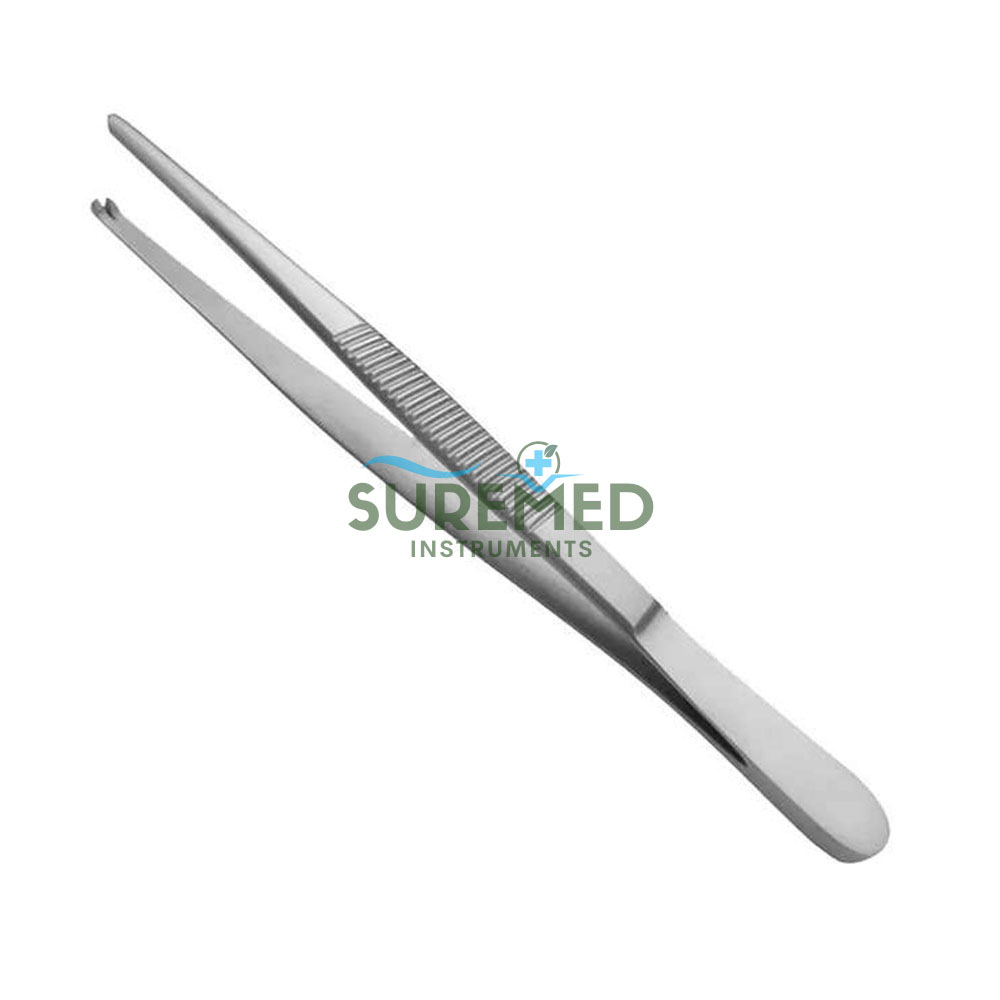
Dressing Forceps
Dressing Forceps
the Dressing Forceps are a crucial surgical instrument used in a wide variety of medical procedures, primarily for dressing wounds, handling sterile materials, and for delicate tissue manipulation. These forceps come in different designs to suit specific medical needs. The smooth or serrated tips help in gripping the dressing material or tissues without causing damage. Whether in a general surgical setting or specialized fields like ophthalmology, these instruments are indispensable in maintaining sterility and precision.
What Are Dressing Forceps Used For?
Dressing forceps are typically used to handle dressings, sterile materials, and delicate tissues during surgical procedures. They are commonly used in wound dressing changes, tissue manipulation, and in procedures where the surgeon or medical professional needs a precise tool to apply or remove materials without touching the surrounding tissue. They also help in manipulating surgical drapes, gauze, and other materials without compromising sterility. This makes them an essential tool in any surgical setting.
Types of Dressing Forceps
Dressing forceps are available in various designs, depending on the specific medical task. Some of the common types include:
- Adson Dressing Forceps: Known for their fine tips, these forceps are particularly useful in handling delicate tissues during surgery. They are a favorite choice for procedures in ophthalmology, neurosurgery, and general surgery.
- Bozeman Uterine Dressing Forceps: This variant is specifically designed for use in gynecological procedures. It allows for gentle handling of uterine tissues and other soft tissues in the pelvic region.
- Foerster Dressing Forceps: Similar to other dressing forceps, these are often used in general surgeries for handling dressings and tissues during procedures.
- Thumb Dressing Forceps: These forceps are commonly used by surgeons in wound care. Their design mimics the function of the thumb and allows for easy maneuvering of the dressing material.
What Are the Different Sizes of Dressing Forceps?
Dressing forceps come in a variety of sizes to cater to different surgical needs. The sizes usually vary based on the intended use, such as handling small delicate tissues or larger dressings. Smaller sizes are ideal for ophthalmic or dental surgeries, while larger sizes are used in general surgery and trauma care. Ensuring that the appropriate size is selected is crucial for minimizing tissue damage and maintaining precision in the procedure.
Common Uses of Dressing Forceps
The most common uses of dressing forceps include:
- Handling Wound Dressings: These forceps are used to remove and apply sterile dressing materials during the dressing changes, ensuring that the surrounding skin and tissue remain free of contamination.
- Ophthalmic Procedures: Fine-tipped dressing forceps, such as Adson Dressing Forceps, are often used in ophthalmic surgeries for delicate tissue manipulation.
- Gynecological Surgeries: The Bozeman Uterine Dressing Forceps is specifically used in gynecological procedures for handling delicate uterine tissues.
- Handling Surgical Drapes: They are also essential for handling surgical drapes and other sterile materials, helping to prevent contamination of the surgical field.
Advantages of Dressing Forceps
One of the major advantages of using dressing forceps is their ability to grip materials securely without causing any damage to surrounding tissues. The smooth tips prevent unnecessary trauma, while the serrated tips ensure a secure grip when working with heavier materials. Their ability to maintain sterility while performing delicate tasks is another major benefit that makes them an indispensable tool in every surgeon’s kit.
How to Use Dressing Forceps
To use dressing forceps, the surgeon should first select the appropriate type and size of forceps. The forceps are then gently used to pick up the dressing or sterile material and place it as required. If handling tissue or other delicate materials, the forceps should be applied with a light, controlled grip to avoid damage. The forceps should not be used with excessive force to prevent unnecessary trauma to the tissue.
Sterilization of Dressing Forceps
As with all surgical instruments, dressing forceps must be properly sterilized after each use. Most dressing forceps are made from stainless steel, which is resistant to corrosion and can be sterilized by autoclaving. It is essential to inspect the forceps for any signs of wear or damage before and after sterilization. Proper maintenance and sterilization ensure that these forceps remain effective and safe for use in every surgical procedure.
Explore Professional-Grade Tools for Specialized Procedures
This product is part of our curated range of precision-engineered instruments designed for medical professionals. For further clinical needs, explore our dental instruments and dental implant kits, tailored for restorative and surgical dentistry. Surgeons performing minimally invasive procedures can rely on our laparoscopic instruments and laparoscopic kits, optimized for accuracy in abdominal surgeries. Orthopedic specialists will find our orthopedic instruments and orthopedic surgery tools essential for joint and bone reconstruction. Broaden your toolkit with our comprehensive surgical instruments collection or refine general procedures with general surgery solutions. All categories prioritize durability, ergonomics, and compliance with medical standards.


Reviews
There are no reviews yet.