


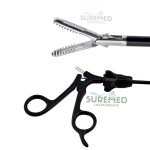
Fenestrated Grasper
Fenestrated Grasper
SureMed Instruments proudly offers the Fenestrated Grasper, a crucial tool designed to support laparoscopic surgeons in performing minimally invasive surgeries with precision, control, and safety. With high-quality materials and expert craftsmanship, the Fenestrated Grasper stands out as a reliable instrument in the world of laparoscopic surgery.
This detailed description will delve into the unique features, uses, and advantages of the Fenestrated Grasper, while also providing essential insights into laparoscopic graspers and the laparoscopic instrument market.
What is a Fenestrated Grasper?
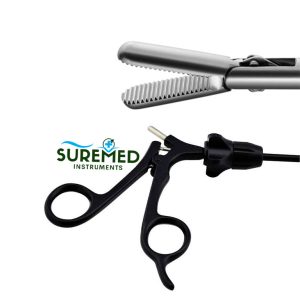
The Fenestrated Grasper is a specific type of laparoscopic instrument used to securely hold and manipulate tissues during laparoscopic procedures. Unlike traditional graspers, the Fenestrated Grasper has an opening or “fenestration” in its tips, which enables delicate handling of tissues while minimizing the risk of damage. This design is ideal for use in surgeries where tissue preservation is paramount, such as gastrointestinal surgery, bariatric surgery, and obstetric procedures.
Made from high-quality stainless steel, the Fenestrated Grasper provides strength, durability, and resistance to corrosion, ensuring long-lasting performance even in the most demanding surgical environments.
Features of the Fenestrated Grasper
High-Quality Stainless Steel Construction
The Fenestrated Grasper is crafted from high-quality stainless steel, a material renowned for its durability, strength, and corrosion resistance. Stainless steel ensures that the grasper maintains its sharpness and functionality over multiple uses and sterilization cycles. This feature is essential for laparoscopic surgeons, as the tools need to endure repeated sterilization without compromising their performance or safety.
Atraumatic Tips
The Fenestrated Grasper is designed with atraumatic tips, which means the instrument provides a secure hold on tissues without causing unnecessary damage or trauma. This feature is particularly useful in delicate procedures where minimizing tissue trauma is essential for optimal recovery and healing. Whether handling soft tissues or more rigid structures, the Fenestrated Grasper ensures safe and gentle manipulation.
Precision Handling for Delicate Tissues
The fenestrated design of the grasper allows for greater precision when handling delicate tissues. The gaps or fenestrations in the tips of the instrument help minimize pressure on the tissue, reducing the risk of crushing or unnecessary distortion. This precision is vital in procedures such as laparoscopic gallbladder removal, laparoscopic hernia repair, and laparoscopic appendectomy, where surgeons need to carefully manipulate tissues in confined spaces.
Ergonomic Design for Comfort
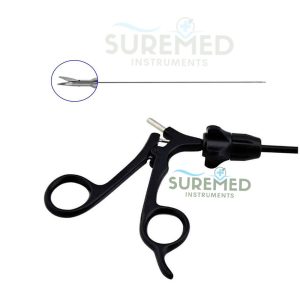
The Fenestrated Grasper is designed with ergonomics in mind. The handle is lightweight and comfortable, reducing hand fatigue during lengthy procedures. Its design allows surgeons to maintain a steady grip, enhancing control and minimizing the risk of slipping. This ergonomic feature is essential for laparoscopic surgeons who often perform complex procedures that require fine motor control.
Versatility for Various Laparoscopic Surgeries
The Fenestrated Grasper is highly versatile and can be used in a wide range of laparoscopic surgeries. Its fine tips, atraumatic design, and ability to handle various tissues make it suitable for many types of laparoscopic procedures, including:
- Laparoscopic gallbladder removal (cholecystectomy)
- Laparoscopic hernia repair
- Laparoscopic appendectomy
- Laparoscopic bariatric surgeries
- Gastrointestinal and colorectal surgeries
- Urological procedures
Easy to Clean and Sterilize
Made of stainless steel, the Fenestrated Grasper is easy to clean and sterilize between uses. Its non-porous surface helps maintain hygiene by preventing bacteria and contaminants from adhering to the instrument. This feature is especially important in hospital settings, where maintaining high levels of sterilization between procedures is critical for patient safety.
Different Types of Laparoscopic Graspers
Laparoscopic graspers come in a variety of designs to cater to the specific needs of different surgical procedures. Here are some of the most common types of laparoscopic graspers and their applications:
Hunter Laparoscopic Grasper
The Hunter Laparoscopic Grasper is typically used to grasp and hold larger tissues during surgery. It features strong, robust tips that provide a secure grip for more substantial tissue manipulation. Surgeons often use it in gastrointestinal surgeries or bariatric procedures, where larger amounts of tissue need to be manipulated safely.
Dorsey Laparoscopic Grasper
The Dorsey Laparoscopic Grasper is designed for general use in laparoscopic surgeries. Its tips are made to provide a reliable grip on tissues while maintaining control. The Dorsey Grasper is used for a wide range of laparoscopic procedures, including those in general surgery and gastrointestinal surgeries.
Maryland Laparoscopic Grasper
The Maryland Laparoscopic Grasper features fine tips designed for delicate tissue dissection and precise handling. Surgeons often use the Maryland Grasper in urological procedures and gynecological surgeries, where precision is critical. The fine tips allow for safe handling of tissues in confined spaces.
Cobra Laparoscopic Grasper
The Cobra Laparoscopic Grasper features wide jaws that provide a strong grip on tissues, making it ideal for grasping larger masses or structures. Surgeons use the Cobra Grasper in bariatric surgeries and other procedures requiring more substantial tissue manipulation.
Fenestrated Laparoscopic Grasper
The Fenestrated Laparoscopic Grasper is distinguished by the openings or fenestrations in its tips, which reduce the contact area with tissues. This design allows for precise, atraumatic handling, making it ideal for delicate surgeries like laparoscopic gallbladder removal and laparoscopic hernia repair.
Atraumatic Laparoscopic Grasper
The Atraumatic Laparoscopic Grasper is designed with soft, non-crushing tips that prevent damage to tissues during surgery. These graspers are particularly useful for manipulating soft tissues and delicate structures, such as in obesity surgery or gastrointestinal procedures.
The Laparoscopic Grasper Market
The laparoscopic grasper market has seen significant growth as minimally invasive surgeries continue to gain popularity due to their numerous benefits. These surgeries offer smaller incisions, reduced recovery time, and a lower risk of infection compared to traditional open surgeries. As a result, the demand for high-quality laparoscopic instruments, such as the Fenestrated Laparoscopic Grasper, has increased.
Growing Demand for Laparoscopic Instruments
The laparoscopic grasper market is expanding as more hospitals and surgical centers adopt laparoscopic surgery as the preferred method for various procedures. The market growth is driven by the growing number of patients seeking minimally invasive options and the increasing prevalence of obesity, gastrointestinal disorders, and bariatric conditions that require laparoscopic procedures.
Reliable Laparoscopic Grasper Suppliers
SureMed Instruments is a trusted supplier of laparoscopic graspers, offering high-quality tools like the Fenestrated Laparoscopic Grasper. Our instruments are designed to meet the evolving needs of the laparoscopic surgical community. As one of the leading laparoscopic grasper manufacturers, we provide tools that combine precision, reliability, and durability.
The Importance of High-Quality Stainless Steel in Laparoscopic Graspers
The Fenestrated Grasper, like other laparoscopic instruments by SureMed Instruments, is crafted from high-quality stainless steel. This material ensures that the instrument is resistant to rust, corrosion, and wear, making it a long-lasting tool that can be safely sterilized and reused. The stainless steel construction also contributes to the overall strength and precision of the grasper, enabling surgeons to perform their work with confidence.
Benefits of Stainless Steel in Surgical Tools
Stainless steel is widely recognized for its strength, durability, and resistance to corrosion, making it the ideal material for laparoscopic graspers and other surgical instruments. Stainless steel provides the following advantages:
- Durability: Stainless steel tools maintain their performance and sharpness even after multiple uses.
- Corrosion Resistance: Stainless steel resists rust, ensuring a longer lifespan for laparoscopic instruments.
- Non-Porous Surface: Stainless steel is easy to clean and sterilize, helping maintain the highest hygiene standards in medical settings.
The Fenestrated Grasper by SureMed Instruments is a reliable, durable, and high-quality tool for laparoscopic surgery. Made from high-quality stainless steel, it provides precise and atraumatic tissue manipulation, helping surgeons achieve optimal outcomes in minimally invasive surgeries. Whether you are performing gallbladder removal, hernia repair, or other laparoscopic procedures, the Fenestrated Grasper is an essential instrument in your surgical toolkit.
With its ergonomic design, versatile applications, and easy maintenance, the Fenestrated Grasper by SureMed Instruments is the ideal choice for laparoscopic surgeons seeking a high-quality, long-lasting, and reliable instrument for their practice.
Contact SureMed Instruments today to learn more about our custom packing options, bulk orders, and more!
Explore Professional-Grade Tools for Specialized Procedures
This product is part of our high-quality range of dental instruments, dental implant kits, and impression trays, perfect for restorative and surgical dentistry. Our laparoscopic instruments and laparoscopic kits provide excellent results for minimally invasive surgeries, while laparoscopic graspers are essential for complex procedures. Orthopedic instruments and orthopedic surgery tools are vital for joint and bone reconstruction. Additionally, our comprehensive collection of surgical instruments and general surgery solutions cater to a variety of medical needs, all designed with durability, ergonomics, and adherence to medical standards.





Reviews
There are no reviews yet.