


Wide Deaver Retractor
Wide Deaver Retracto
The Wide Deaver Retractor is an essential tool in the field of surgery, providing the necessary assistance for retracting tissues, opening surgical sites, and offering surgeons a clear and unobstructed view of the operation area. Designed for both deep and delicate surgeries, Wide Deaver Retractor plays an integral role in various fields, including general surgery, orthopedic surgery, vascular surgery, and even neurosurgery. In this comprehensive guide, we explore the detailed features, various uses, historical significance, and the different types of Wide Deaver Retractors used in surgery.
What is a Wide Deaver Retractor?
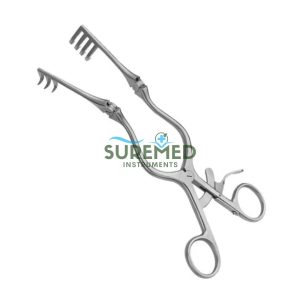
A Wide Deaver Retractor is a surgical instrument commonly used for tissue retraction. It has a flat, curved blade that can either be sharp or blunt, depending on the surgical requirements. This tool is manually operated, meaning that the surgeon or assistant holds the retractor in place during the procedure. The primary function of this retractor is to hold back soft tissues, such as muscles, fat, and organs, to provide the surgeon with a better and clearer view of the area being operated on.
The Wide Deaver Retractor is also sometimes referred to as a “self-retaining retractor” when it is designed to lock in place, though traditional models require an assistant or surgeon to maintain its position.
Key Features and Components
The Wide Deaver Retractor consists of several crucial components that make it efficient and versatile for a wide range of surgeries:
- Blade: The blade is the primary working part of the retractor. It is available in multiple sizes and can be blunt or sharp. The blade’s curve allows it to gently retract tissues away from the surgical site, ensuring minimal trauma while offering maximum visibility.
- Handle: The handle is ergonomically designed to provide a secure grip, ensuring that the surgeon or assistant can operate the retractor with precision and stability, even during long procedures.
- Durable Material: Made from high-quality stainless steel, the Wide Deaver Retractor is built to last. Stainless steel’s resistance to corrosion ensures that the tool remains functional even after numerous uses and sterilizations.
- Adjustability: Many models of the Wide Deaver Retractor feature an adjustable blade to accommodate different surgical needs and to provide flexibility in handling various tissue types.
- Self-Retaining Models: Some Wide Deaver Retractors come in a self-retaining version, which locks the blade in place, reducing the need for an assistant to hold the instrument throughout the procedure.
Types of Wide Deaver Retractors
There are several types of Wide Deaver Retractors available, each suited for different types of surgeries. The main distinctions include the blade design (blunt or sharp), the length of the blade, and the overall size of the instrument. Let’s dive into the key types:
- Blunt Wide Deaver Retractor: The blunt version is primarily used in surgeries where soft tissues, such as muscles or fat, need to be retracted without causing damage. The blunt edges prevent trauma and are ideal for procedures like abdominal surgery, where delicate tissues are involved.
- Sharp Wide Deaver Retractor: The sharp version features a more refined edge, making it suitable for delicate procedures where precise retraction is needed. It’s often used in neurosurgery and other surgeries that require access to deep or highly sensitive areas.
- Self-Retaining Wide Deaver Retractor: This type locks in place, reducing the need for constant manual adjustments. It is perfect for long surgeries, such as those involving the abdominal cavity or spinal surgeries, where the surgical team needs to focus on the procedure without worrying about holding the retractor in place.
- Adjustable Wide Deaver Retractor: This version allows the blade to be adjusted in length and angle, providing greater flexibility in handling a variety of surgical situations.
How to Use a Wide Deaver Retractor
Using the Wide Deaver Retractor properly requires precision and care. Here are the general steps for using this instrument during surgery:
- Select the Correct Size: Choosing the correct size of retractor based on the surgical site is critical. Smaller retractors are typically used for procedures involving small organs or more delicate areas, while larger retractors are required for major surgeries.
- Positioning the Blade: Carefully insert the blade beneath the tissue to be retracted. The blade should slide gently into place without excessive force, ensuring minimal trauma to surrounding tissues.
- Adjusting the Position: If you are using an adjustable model, you can change the position of the blade to achieve the desired retraction. In some cases, the assistant may need to hold the retractor in place, while other models self-retain.
- Monitoring the Site: Continuously monitor the surgical site to ensure that the retractor is maintaining a clear view without causing unnecessary pressure on the tissues. The retractor should be adjusted as needed throughout the procedure to ensure maximum access.
Advantages of Using the Wide Deaver Retractor
The Wide Deaver Retractor offers several advantages over other retractors and surgical instruments:
- Improved Visibility: By holding back tissues effectively, the retractor gives the surgeon an unobstructed view of the surgical site. This is essential for performing precise and effective surgery, particularly in deep body cavities.
- Versatility: The instrument is versatile enough for use in a wide range of surgeries, from general surgery to specialized fields like vascular, orthopedic, and neurosurgery.
- Minimized Tissue Damage: The blunt version of the retractor is designed to minimize trauma to soft tissues, reducing the risk of complications like excessive bleeding or infection.
- Durability and Longevity: Made from high-quality stainless steel, the Wide Deaver Retractor is built to withstand the rigors of frequent use and sterilization.
- Ergonomics: The handle design ensures a secure and comfortable grip, which reduces hand fatigue during long surgeries and allows for more precise control.
Common Applications of the Wide Deaver Retractor
The Wide Deaver Retractor finds widespread use in several surgical fields:
- General Surgery: This tool is used in abdominal surgeries to retract tissues, allowing the surgeon to access internal organs like the intestines, liver, and kidneys. It’s particularly useful in procedures such as gallbladder removal, appendectomies, and colorectal surgeries.
- Orthopedic Surgery: In orthopedic surgery, the retractor is employed to expose bones and joints. It helps surgeons access areas for joint replacement, fracture repair, and other orthopedic procedures.
- Vascular and Cardiac Surgery: In cardiovascular procedures, such as bypass surgery, the Wide Deaver Retractor is used to retract tissues around major blood vessels and the heart, ensuring the surgeon has access to critical arteries and veins.
- Neurosurgery: For spinal and brain surgeries, this retractor helps retract muscles and other tissues to access the vertebrae or brain without damaging surrounding structures.
- Plastic and Reconstructive Surgery: In plastic surgery, the Wide Deaver Retractor is used to retract skin and underlying tissues during reconstructive surgeries, such as breast reconstruction, skin grafts, and tissue flap procedures.
Wide Deaver Retractor Sizes and Variants
The Wide Deaver Retractor comes in several sizes and variations to accommodate different surgical needs. Sizes typically range from small, fine retractors used in delicate surgeries to larger retractors required for more invasive procedures. The following variations are common:
- Small (12.5cm): Used for fine surgeries or procedures involving delicate areas such as the face or spinal cord.
- Medium (15-20cm): This is the most common size for general abdominal surgeries and is typically used in operations that involve the intestines, liver, and other abdominal organs.
- Large (25cm and above): Typically used for deep procedures like full abdominal explorations or major vascular surgeries.
Comparisons to Other Retractors
Compared to other retractors, the Wide Deaver Retractor stands out for its adaptability, as it can be used in many different types of surgeries. For example:
- Balfour Retractor: While both the Balfour Retractor and the Wide Deaver Retractor are used in abdominal surgeries, the Balfour is more suited for holding the abdominal wall open, while the Deaver retractor is used to retract tissues more directly.
- Army-Navy Retractor: The Army-Navy retractor is another versatile tool, though it is generally smaller and used for shallower tissues. The Wide Deaver Retractor, on the other hand, offers a larger blade suitable for deep tissue retraction.
Explore Professional-Grade Tools for Specialized Procedures
This product is part of our curated range of precision-engineered instruments designed for medical professionals. For further clinical needs, explore our dental instruments and dental implant kits, tailored for restorative and surgical dentistry. Surgeons performing minimally invasive procedures can rely on our laparoscopic instruments and laparoscopic kits, optimized for accuracy in abdominal surgeries. Orthopedic specialists will find our orthopedic instruments and orthopedic surgery tools essential for joint and bone reconstruction. Broaden your toolkit with our comprehensive surgical instruments collection or refine general procedures with general surgery solutions. All categories prioritize durability, ergonomics, and compliance with medical standards.



Reviews
There are no reviews yet.